
CANAL HOUSE
Type
Hospitality / Boutique Stay
Location
Amsterdam, Netherlands
Year
2026
Deliverables
Framer Development
Motion Design
UI/UX Design
Canal House partnered with katto to rethink its digital hospitality experience and transform it into a more editorial and narrative-driven platform. The challenge was to move beyond functional booking interfaces and create a system that communicates atmosphere, place, and cultural context before any transactional layer appears. The project combined UI/UX design, motion design, creative direction, and Framer development into a unified experience system. The goal was to balance usability with storytelling, ensuring that the digital platform feels both functional and emotionally engaging.
The research phase focused on how hospitality has evolved into a hybrid between service, media, and cultural storytelling. Guests increasingly form expectations long before arrival, meaning that digital presence shapes perception as strongly as physical experience. This shift required rethinking the platform not as a booking tool, but as a narrative interface. References included boutique hotels, editorial travel publications, and immersive digital storytelling platforms. The direction moved toward creating a system where information and atmosphere coexist without hierarchy.


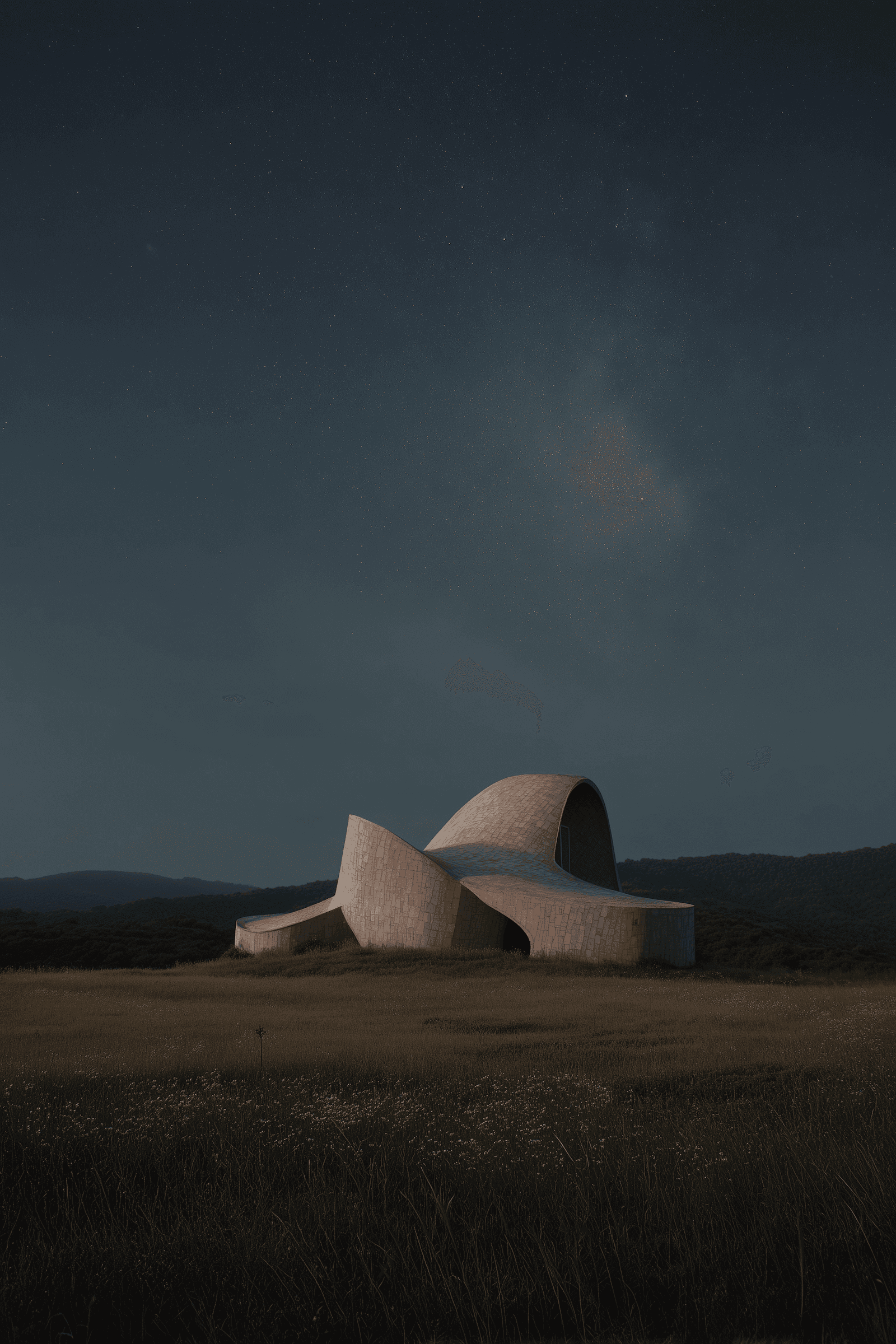
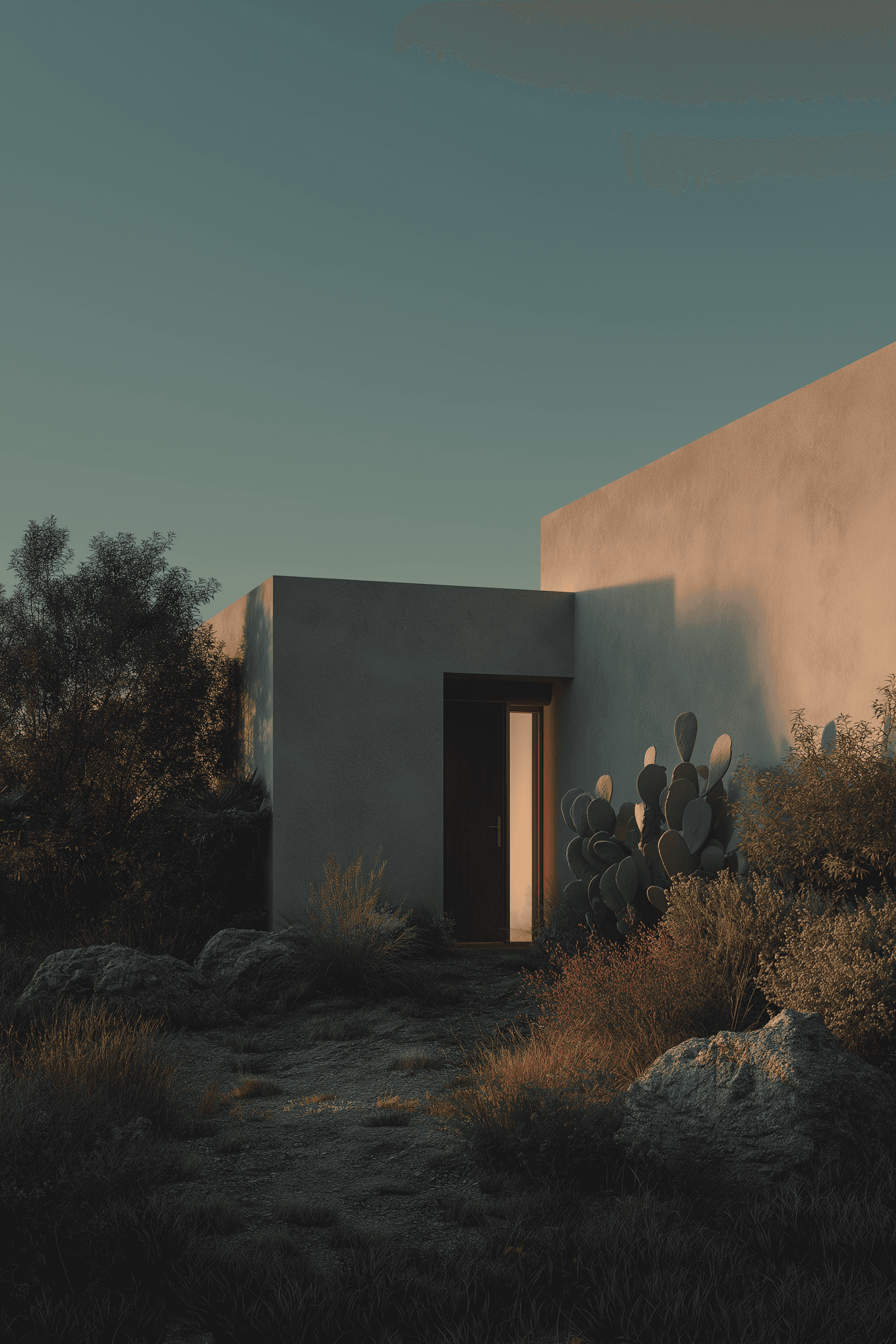
The identity system was designed to feel quiet, refined, and deliberately understated. Typography and spacing were used to create structure, while avoiding any visual noise that could compete with imagery or narrative content. Instead of building a highly expressive brand, the focus was on consistency and restraint. The identity adapts easily across digital interfaces, print materials, and editorial storytelling formats. The result is a brand presence that supports content rather than defining it.
The booking experience was redesigned to feel more like a guided journey than a transactional flow. Steps were reduced, interactions simplified, and transitions softened to remove friction from the decision-making process. Information is revealed progressively, allowing users to understand context before committing to action. This creates a calmer, more intentional interaction pattern compared to traditional hospitality platforms. The experience prioritizes clarity and emotional pacing over efficiency alone.

Beyond functionality, the platform introduces an editorial layer that expands the perception of place. Stories about the neighborhood, cultural references, and atmospheric descriptions create depth beyond accommodation details. This layer transforms the platform into something closer to a publication than a booking engine. It encourages exploration rather than immediate conversion. The result is a richer relationship between audience and destination.


The final system merges transactional functionality with narrative depth, creating a platform that operates on both practical and emotional levels. Canal House becomes not only a place to book a stay, but a way to understand the atmosphere of Amsterdam before arrival.

Type
Hospitality / Boutique Stay
Location
Amsterdam, Netherlands
Year
2026
Deliverables
Framer Development
Motion Design
UI/UX Design


Inquiries
We work with a limited number of clients each year. If you have a project in mind, get in touch. Briefly outline your idea, scope, and timeline — we’ll respond with next steps.